China’s commercial film industry has fallen on hard times amid a capital downturn in recent years. Big-budget blockbusters consistently underperform at the box office, leaving countless industry workers out of work. A growing number of A-list stars, lacking new film offers, have pivoted to variety shows and live concerts to sustain their careers.
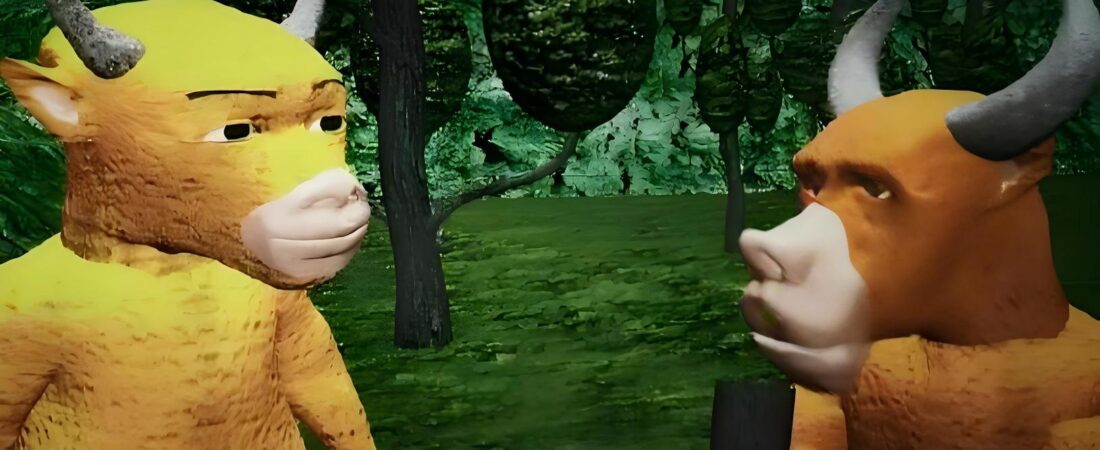
Against this bleak backdrop, a small animated feature created entirely by a mother and son over five years has exploded into an unexpected box office sensation. Its current gross stands at 1.4 million US dollars, with ticketing platforms projecting a maximum total haul of 10 million US dollars.
The film is Niu Lai. It follows a frail young calf who embarks on a long, dreamlike journey filled with hardship and gradual self-growth. When the dream finally ends, there is no grand, triumphant payoff—only a quiet, ordinary meditation on a fragile life. The story contains no scheming villains, warped, morally twisted characters, or historical revisionism. It simply tells an unadorned, earnest tale of everyday existence.
Many viewers are left wondering: why do glossy productions helmed by A-list directors and backed by major studios flop, while this technically rough, clumsily crafted indie animation has won widespread audience adoration?
The answer is straightforward: audiences have grown exhausted with being lectured, belittled, and dismissed. They have voted with their feet, choosing a rare offering of genuine sincerity and respect.
For the past two decades, China’s commercial cinema has suffered a fundamental disconnect: studios release shoddy, uninspired films yet adopt a patronizing, preachy tone toward viewers. Filmmakers force their personal viewpoints onto audiences, and if viewers reject their work or leave negative reviews, creators retaliate by mocking the public’s poor taste, even dismissing paying fans as ignorant. Many have gone so far as to file lawsuits against film critics to suppress critical voices. These studios churn out low-quality content to cash in on ticket sales, all while sneering at the ordinary people who fund their projects. Moviegoers are treated as inferior, talked down to, and outright disrespected from start to finish.
Niu Lai, by contrast, lays every flaw bare. Its narrative is awkward, its production values bare-bones—but it hands full ownership of judgment to every single viewer. Anyone is free to mock, joke about, and critique the film openly. Here, it is the audience laughing at the movie, not the movie sneering down at its audience. One viewer put it perfectly: “They don’t even have a legal team to send threatening letters.”
Commercial films exist first and foremost to serve audiences. What viewers crave above all else is sincerity, respect, and joy.